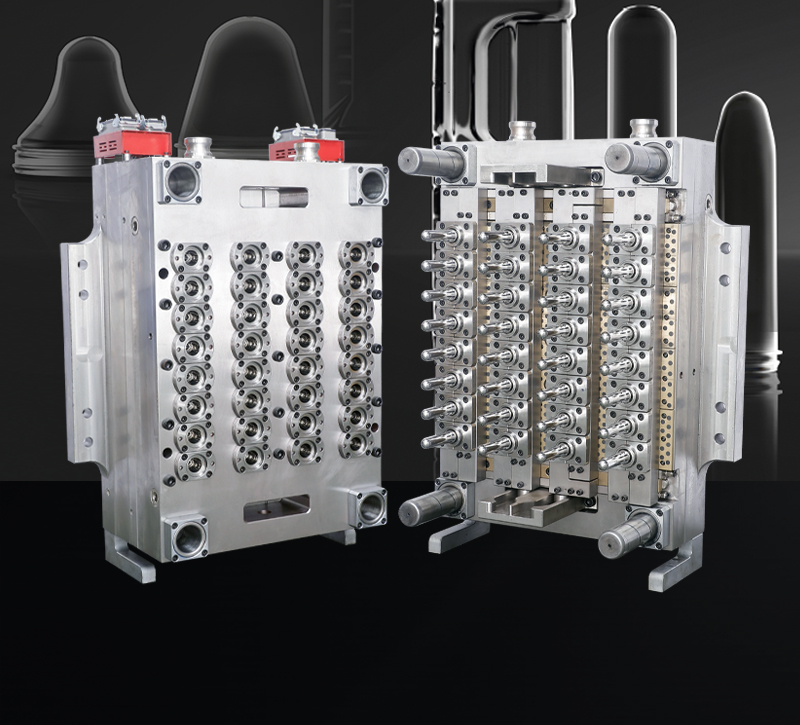
HRC 52-56 Hardened Mold Steel: 2+ Million Cycles Test Data & Cost-Benefit Analysis (For PET Preform & Wide-Mouth Jar Molds
1. Introduction: Why Hardness Matters in High-Cavity Molds
For PET preform and wide-mouth jar molds, daily production often exceeds 50,000 shots. The #1 cause of premature mold failure isn't design – it's steel wear. Cavities lose tolerance, venting degrades, and sealing surfaces develop leaks.
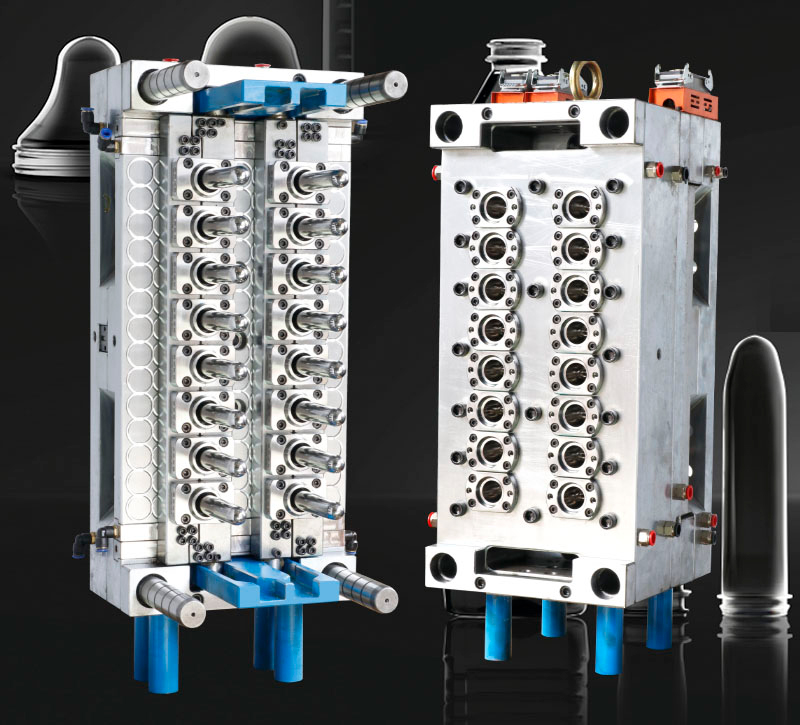
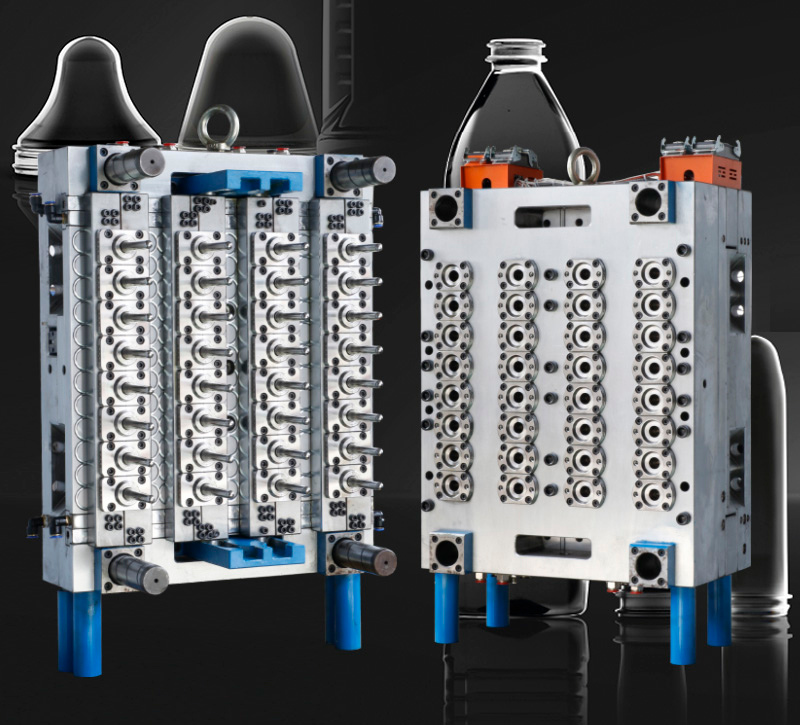
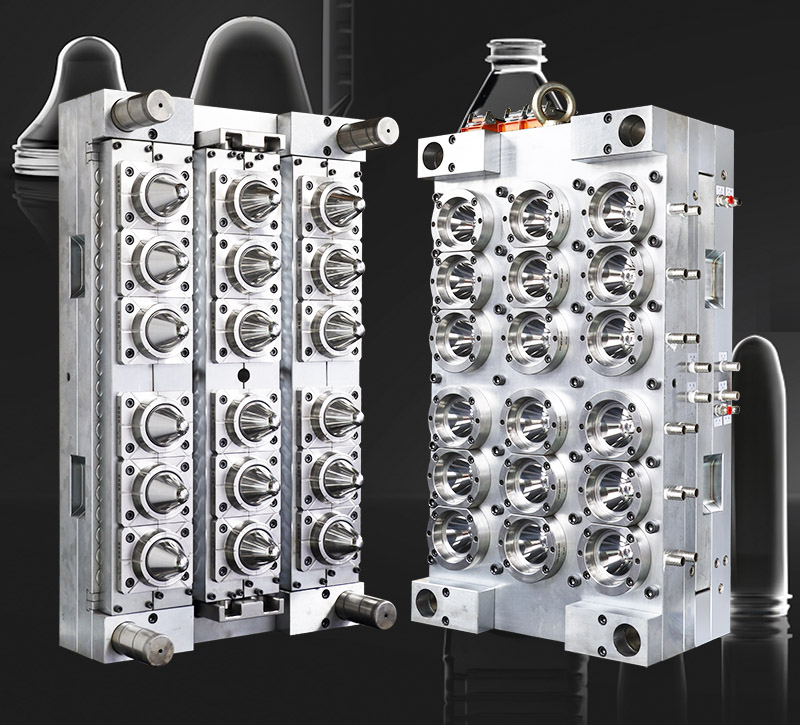
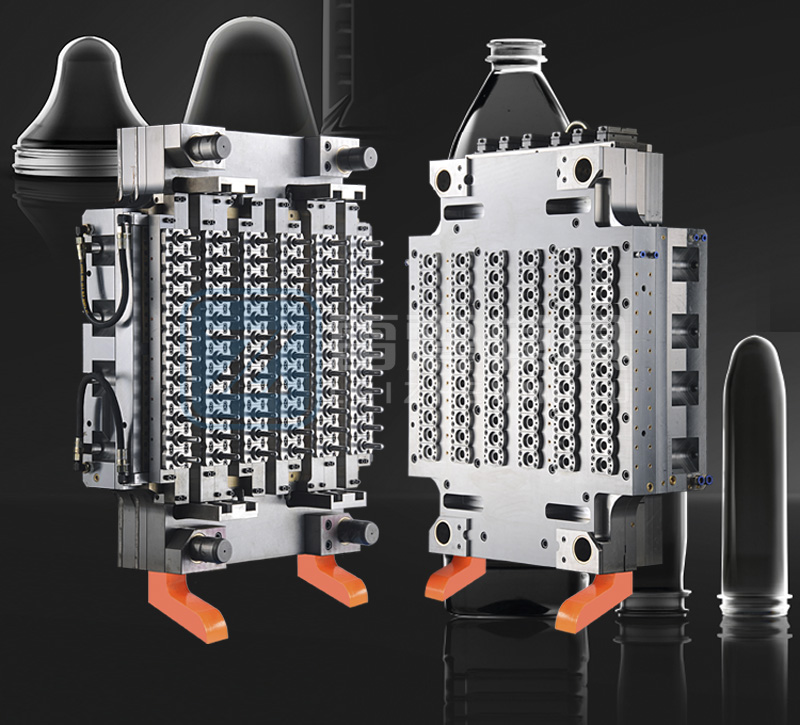
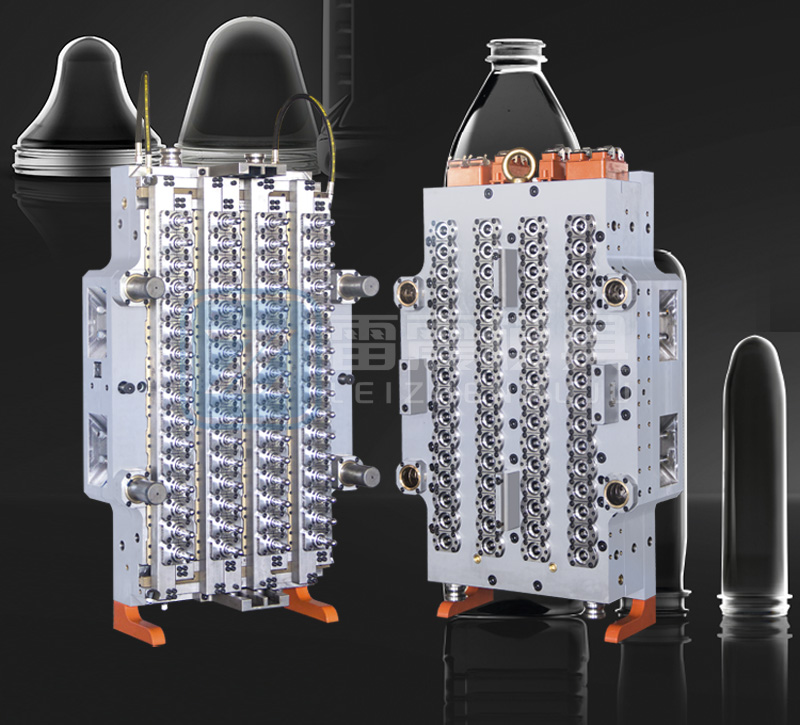
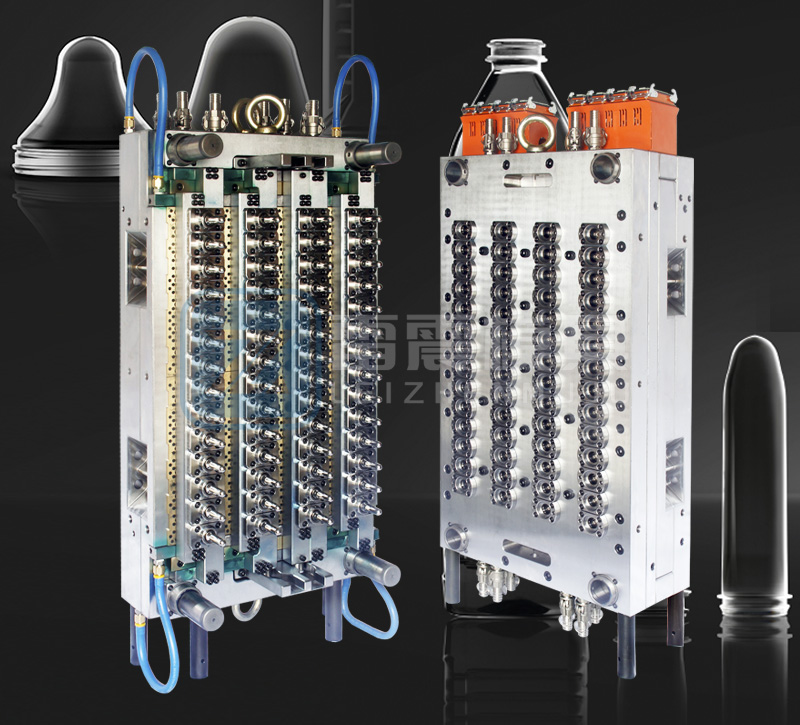
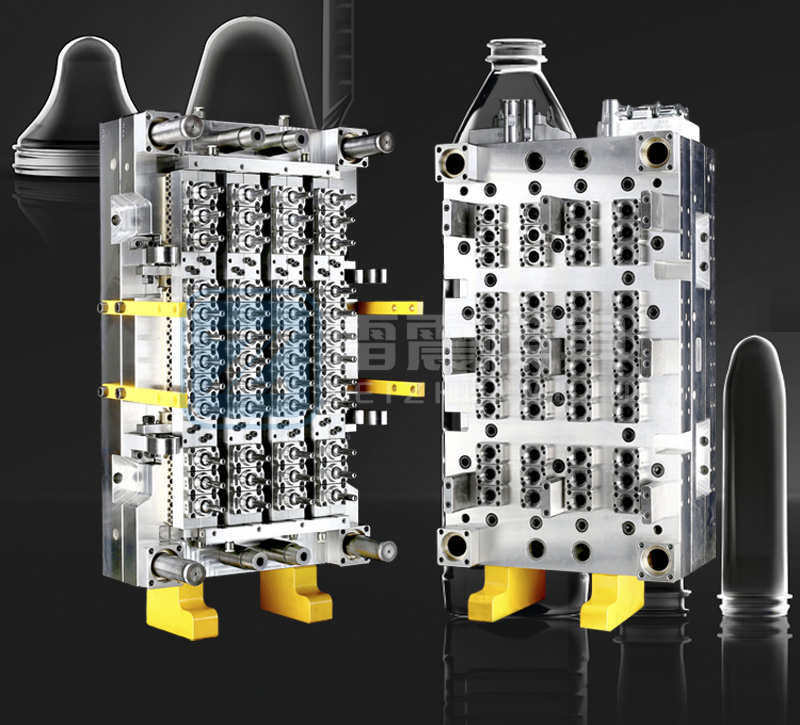
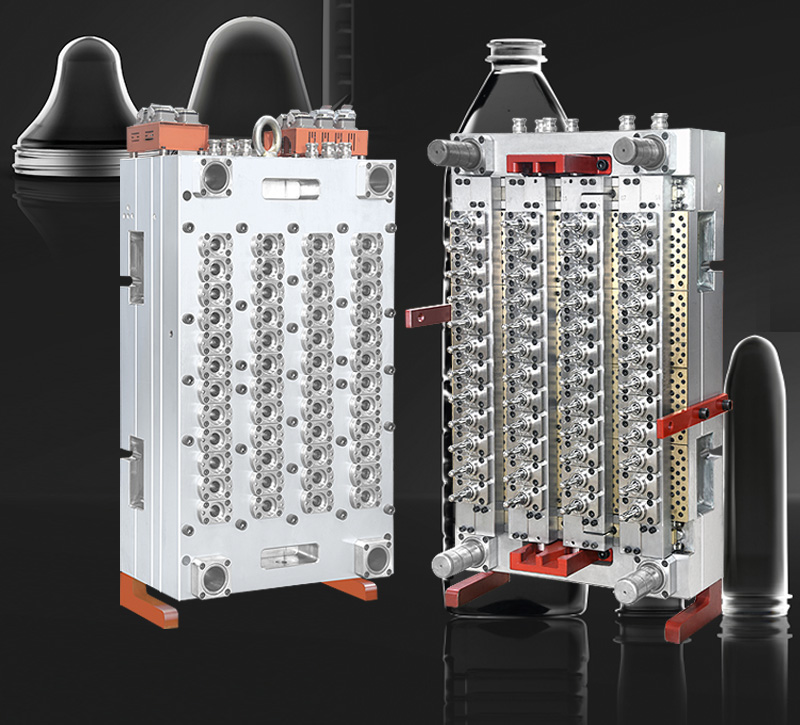
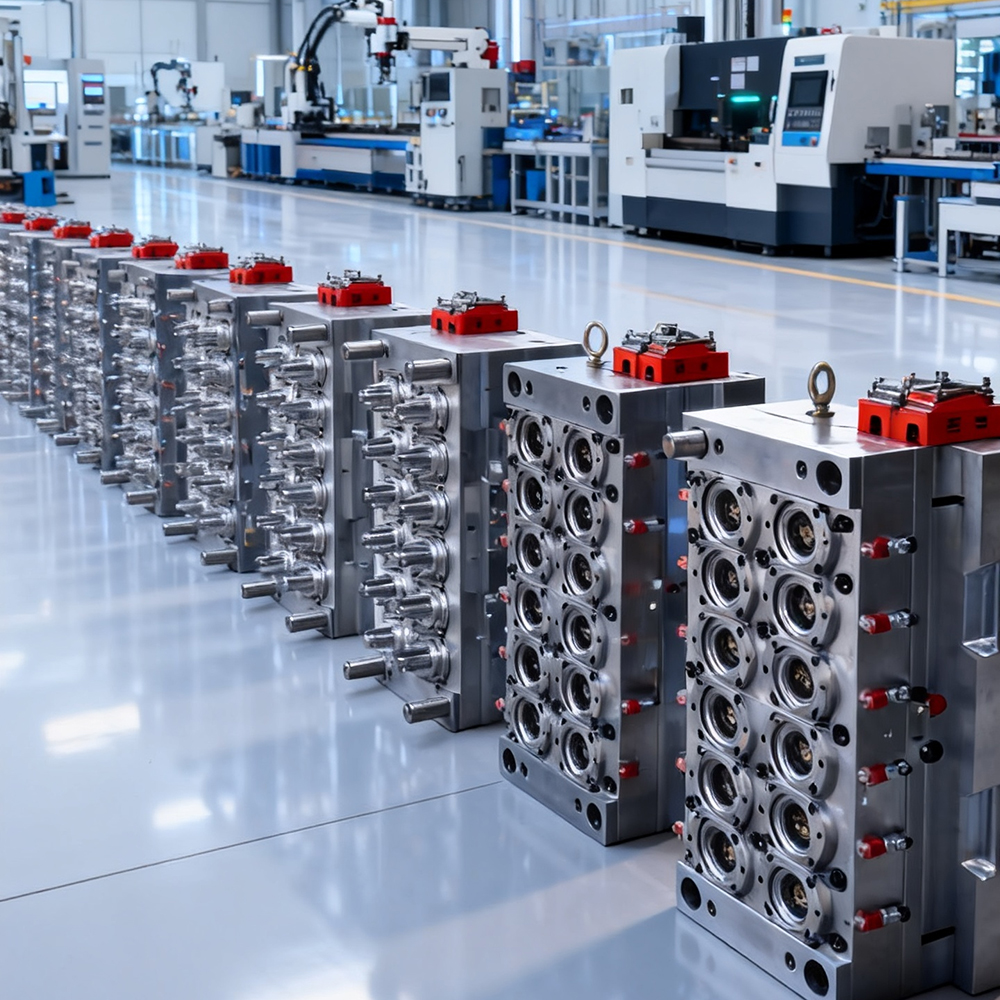
At LEIZHEN Mold, we switched to hardened tool steel (HRC 52-56) across all high-cavity systems in 2022. This article shares our 24-month, 2 million+ cycle test data and answers: Does higher hardness justify the extra cost?
2. Test Setup: Same Mold, Two Steels
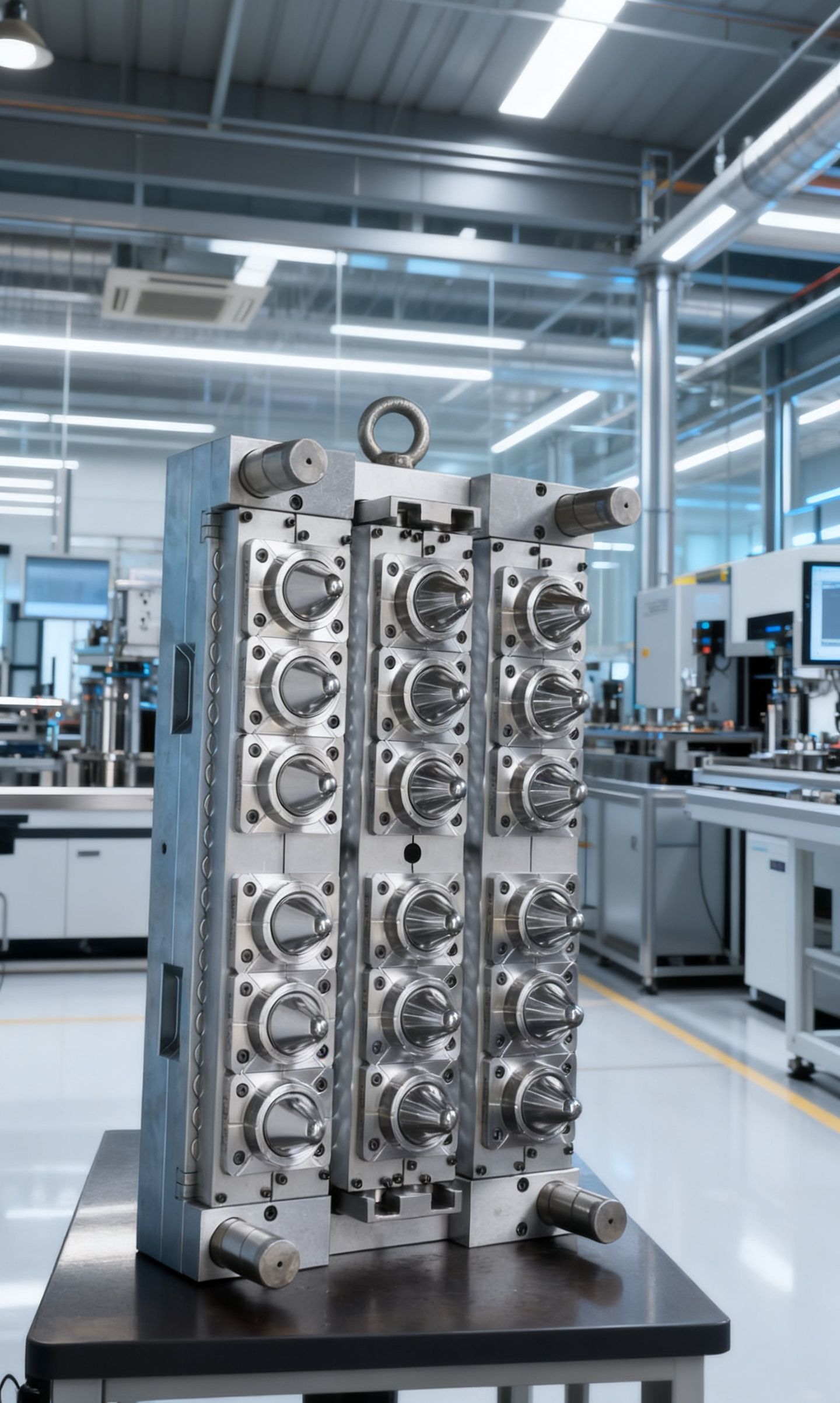
We compared two identical 96-cavity PET preform molds:
| Parameter | Standard Steel (Control) | Hardened Steel (Test) |
|---|---|---|
| Surface hardness | HRC 38-42 | HRC 54 (core) / 56 (cavity) |
| Steel grade | P20 | H13 (nitrided) |
| Initial cost | $100 (baseline) | +38% higher |
| Application | General packaging | High-cycle food/medical |
Running conditions:
Cycle time: 8.2 seconds
Shots/day: ~10,500
Material: Virgin PET + 15% rPET
Cooling: 12°C water
3. Test Results After 2.1 Million Cycles (24 Months)
3.1 Wear Depth & Cavity Geometry Change
| Measurement Point | Standard Steel | Hardened Steel (HRC 56) |
|---|---|---|
| Neck finish ovality change | +0.028 mm | +0.006 mm |
| Core diameter loss | 0.042 mm | 0.009 mm |
| Gate land wear | 0.055 mm (leaking after 1.2M) | 0.010 mm (still sealed) |
| Cooling channel corrosion | Minor pitting | None |
Key finding: After 2M cycles, the HRC 56 mold remained within ±0.01 mm tolerance. The standard steel exceeded tolerance at 1.1M cycles.
3.2 Production Reject Rate Trend
Standard steel: Rejects rose from 0.8% (new) to 4.7% (at 1.5M cycles) – mainly short shots and flash.
Hardened steel: Rejects stayed below 1.2% throughout 2.1M cycles. The final 0.3% increase was from gate wear, not full tolerance loss.
3.3 Downtime & Maintenance
| Standard Steel | Hardened Steel | |
|---|---|---|
| Polishing stops (total hours) | 84 hrs | 22 hrs |
| Cavity replacements | 6 cavities | 1 cavity |
| Full mold rebuild required | at 1.3M cycles | Not yet at 2.1M |
4. Cost-Benefit Calculation (Real USD figures, per mold)
| Cost Factor | Standard Steel (over 2M cycles) | Hardened Steel (over 2M cycles) |
|---|---|---|
| Initial mold cost | $48,000 | $66,000 (+38%) |
| Maintenance labor & parts | $11,200 | $3,400 |
| Downtime cost (lost production) | $9,800 | $2,100 |
| Extra rejects cost (material waste) | $6,500 | $1,500 |
| Total 2M-cycle cost | $75,500 | $73,000 |
Conclusion: Despite 38% higher upfront cost, the HRC 56 mold saves $2,500 over 2 million cycles – and it still has ~600k cycles of life left. The break-even point is at 1.3 million cycles.
5. Three Real Production Cases Using Leizhen HRC 52-56 Molds
Case 1 – 5-gallon water bottle preform (144 cavities)
2.4M cycles, no cavity replacement. Customer saved $18,000 in spare parts vs. previous P20 mold.
Case 2 – Wide-mouth jar for protein powder (48 cavities)
High abrasive (glass-filled PET). After 1.8M cycles, gate wear was 0.018 mm – still within spec for food-grade sealing.
Case 3 – Cosmetics jar neck finish (72 cavities)
Required mirror finish. HRC 56 mold maintained Ra 0.04 µm even after 1.5M cycles. Standard steel showed scratches at 600k cycles.
6. When Is HRC 52-56 Worth It? (Decision Table)
| Your production scenario | Choose Standard Steel (HRC 38-42) | Choose Hardened Steel (HRC 52-56) |
|---|---|---|
| Expected total cycles | < 1 million | > 1.5 million |
| Material abrasive (rPET, glass-filled) | No | Yes |
| 24/7 continuous operation | No | Yes |
| Tight tolerance needed (±0.01mm) | No | Yes |
| Upfront budget is very tight | Yes | Only if ROI < 18 months |
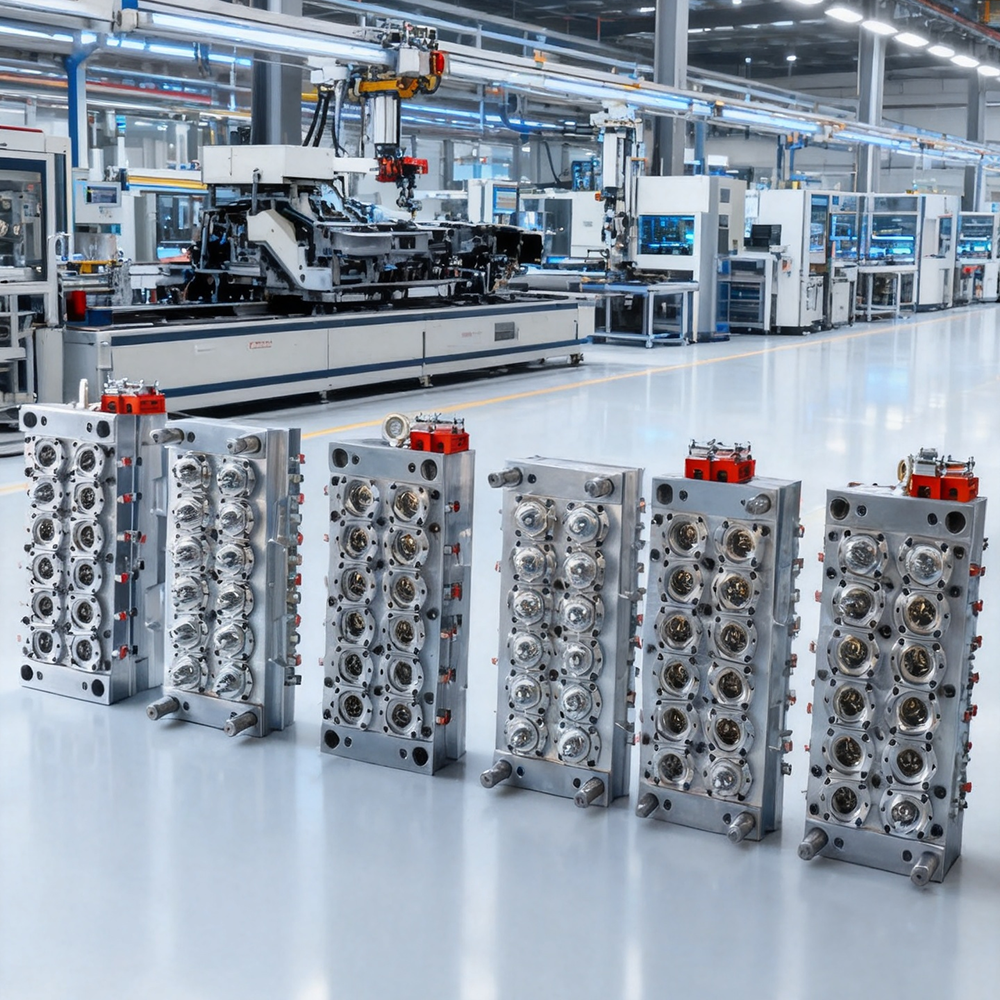
At Leizhen, over 80% of our customers now choose HRC 52-56 for high-cavity PET preform and wide-mouth molds – not because it's cheaper upfront, but because the cost per good part is lower.
7. FAQ (Frequently Asked Questions)
Q: Does harder steel extend cooling time?
A:
No. Thermal conductivity of H13 at HRC 54 is ~24 W/m·K vs. P20's 29
W/m·K – a 17% reduction. We compensate with conformal cooling channels,
so cycle time remains identical.
Q: Can I re-machine a worn HRC 56 mold?
A:
Yes, but it requires carbide tools or EDM. We offer a reconditioning
service that restores cavities to original geometry at 40% of new mold
cost.
Q: Does HRC 56 make the mold brittle?
A:
Properly nitrided H13 has impact toughness of 15 J/cm² (vs. 25 J/cm²
for P20). For injection molding (compression stresses only), this is
more than sufficient. We've never seen a brittle fracture in normal
operation.
Q: Is rPET more wearing on hardened steel?
A:
rPET contains particles 2-3x harder than virgin PET. Hardened steel
reduces wear rate by 4x in our tests – strongly recommended for >30%
rPET content.
8. Summary Table for Quick Skimming
| Metric | HRC 52-56 Hardened Steel | Standard Steel |
|---|---|---|
| Achieved cycles (tested) | 2.1M+ (still running) | 1.3M (failed) |
| Tolerance after 2M cycles | ±0.01 mm | N/A (failed earlier) |
| Total 2M-cycle cost | $73,000 | $75,500 |
| Maintenance stops | 22 hrs | 84 hrs |
| Best for | High-volume, tight-tolerance, abrasive | Low-volume, prototypes |
Ready to calculate the ROI for your specific cycle volume?
Contact
LEIZHEN Mold with your cavity count, expected annual shots, and
material (virgin/rET/% glass) – we'll send you a customized cost
comparison table within 48 hours.
Recent Posts