From Preform to Bottle: LEIZHEN Reveals the Five Core Technologies of Preform Mold Design
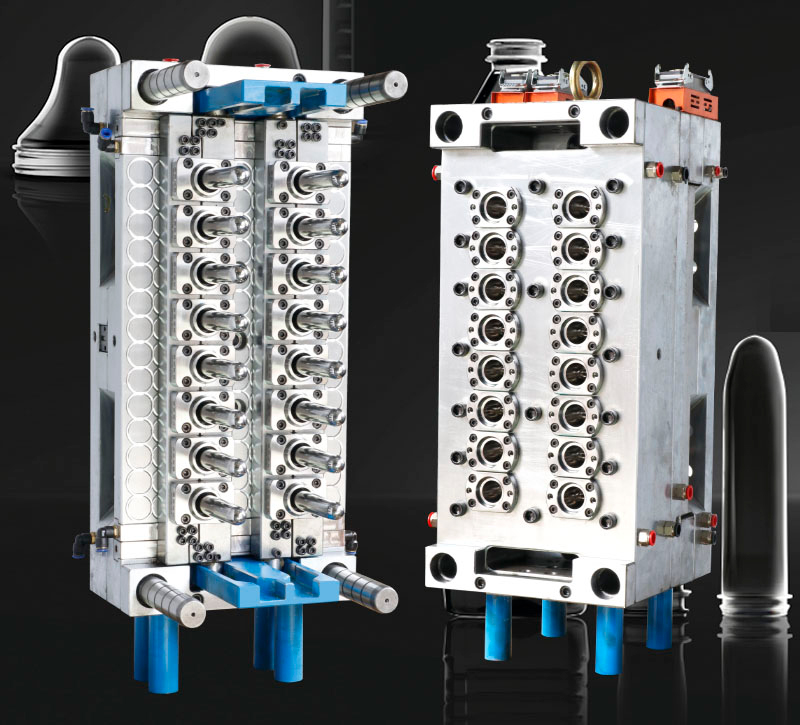
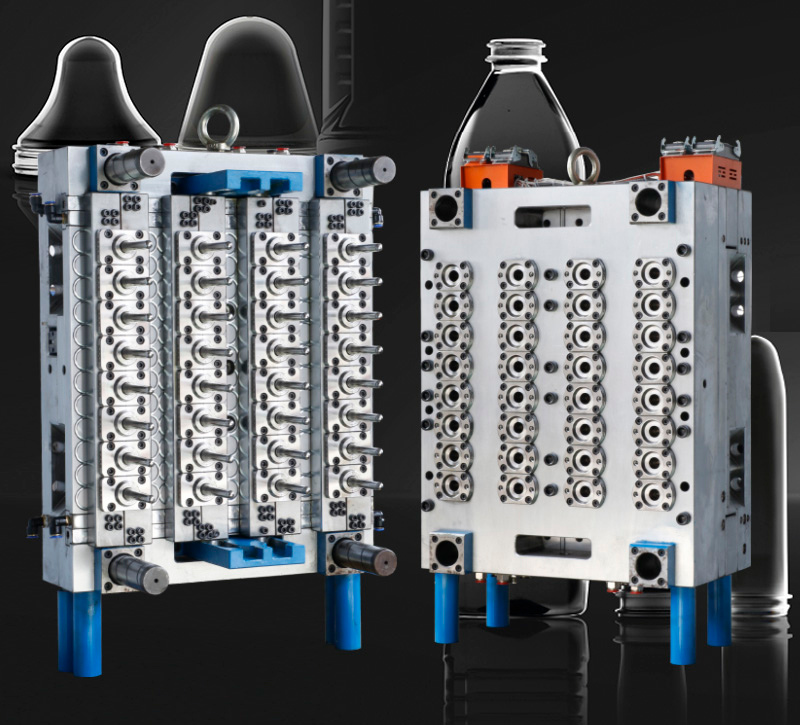
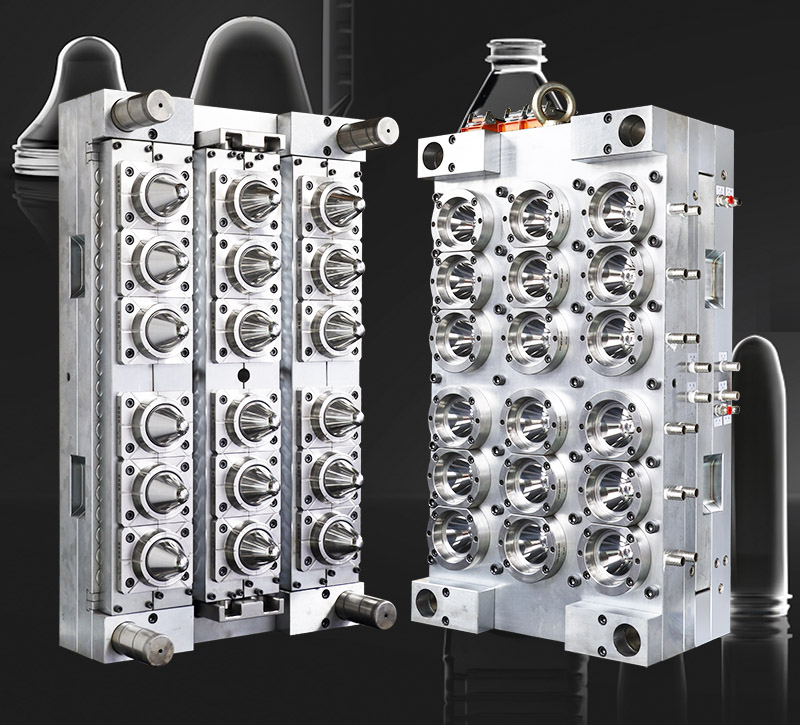
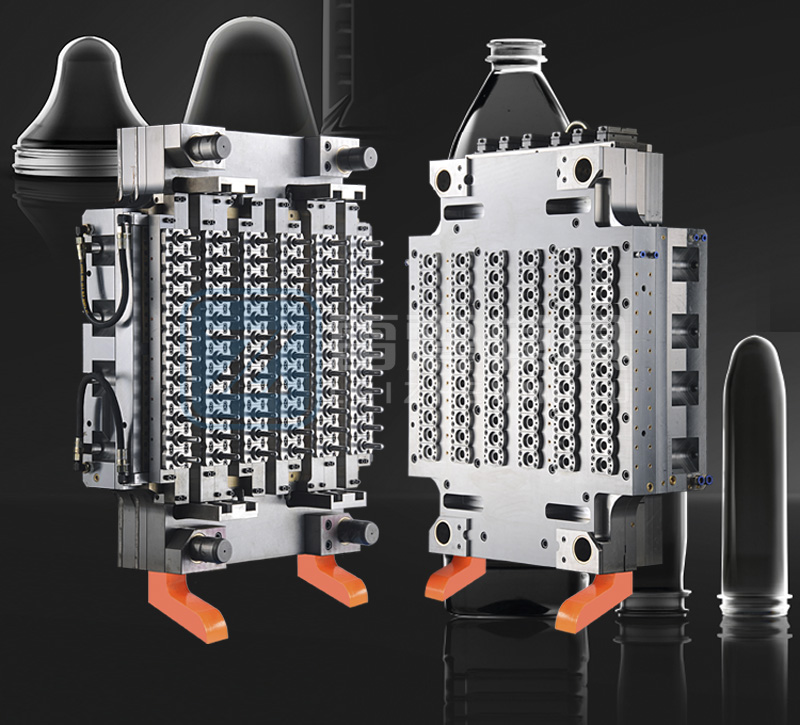
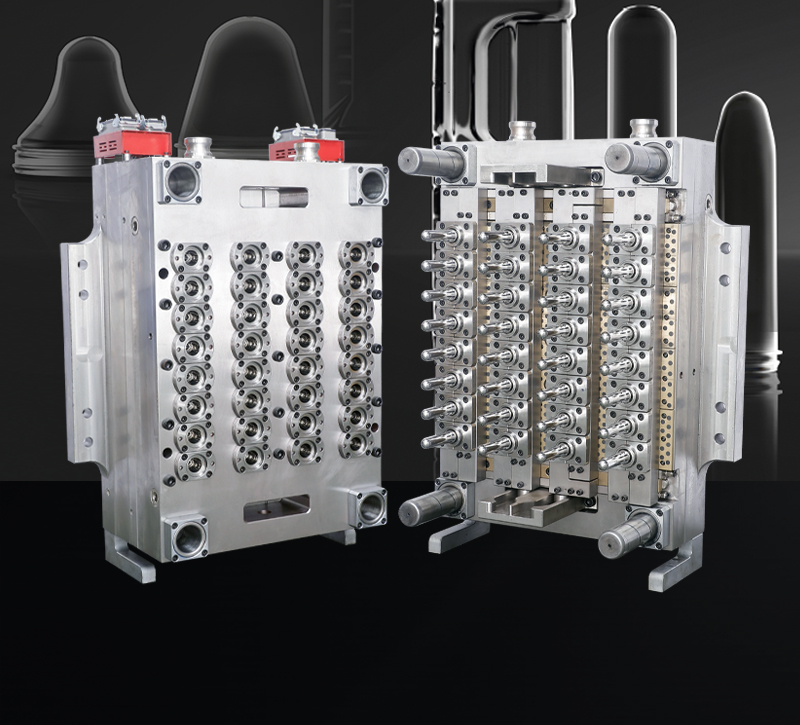
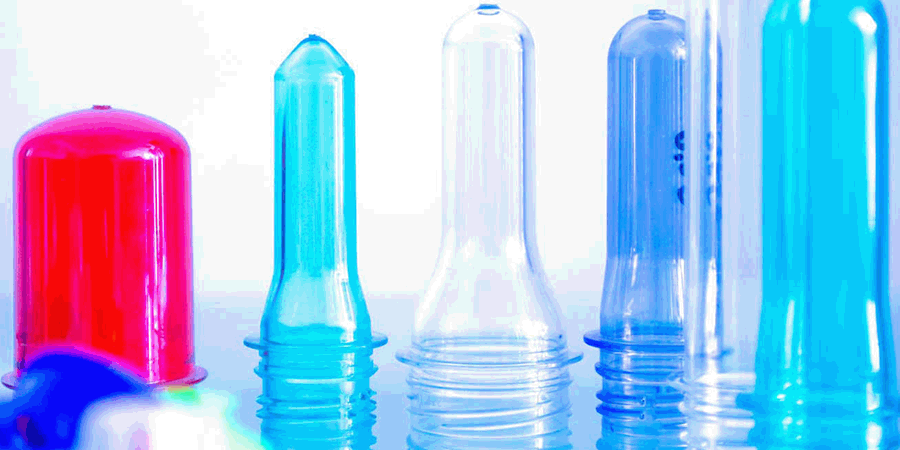
In the PET packaging industry, the journey from raw PET resin to a finished bottle begins with a single critical component: the preform. This small but essential part determines the quality, strength, and appearance of the final bottle. And at the heart of every high-quality preform lies a precision-engineered preform mold.
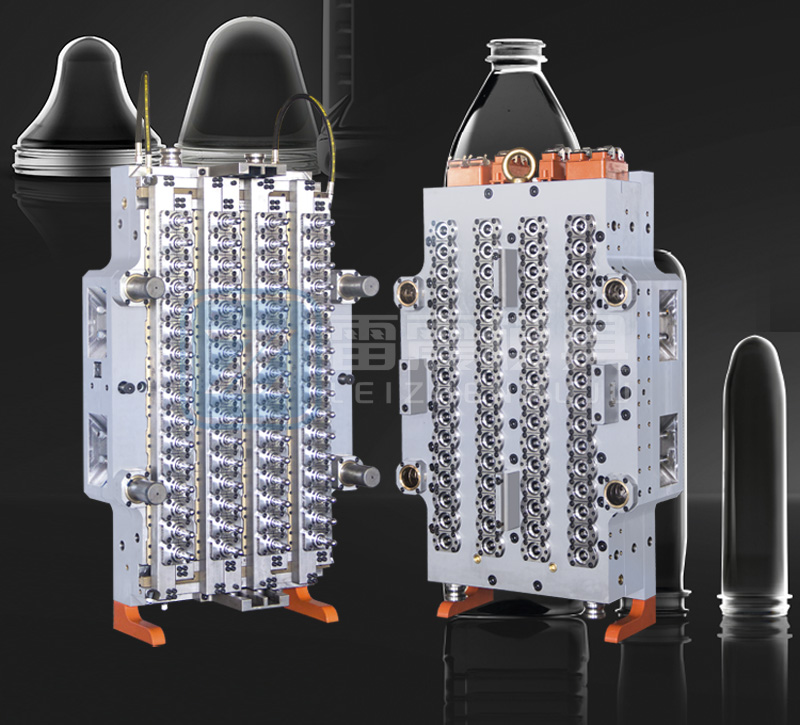
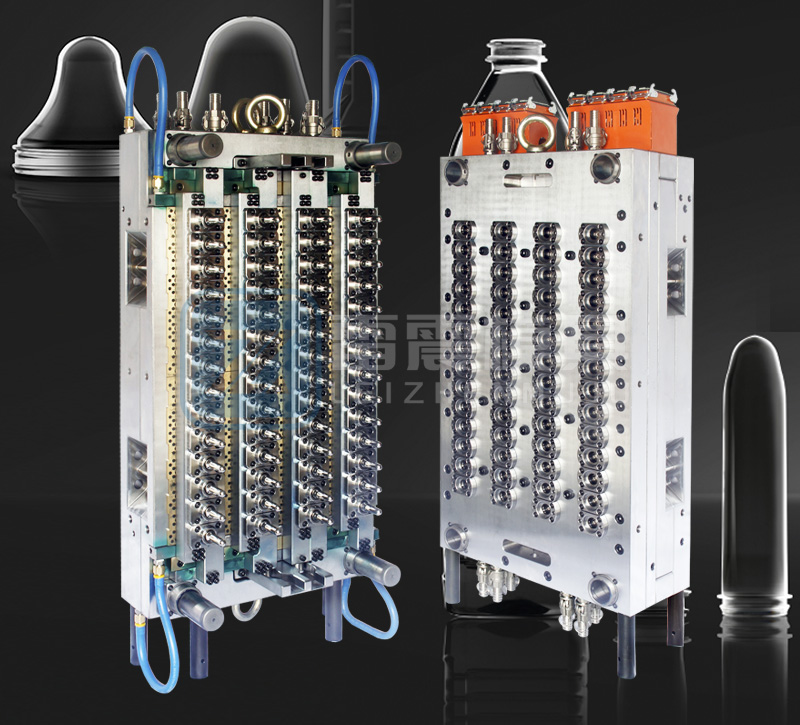
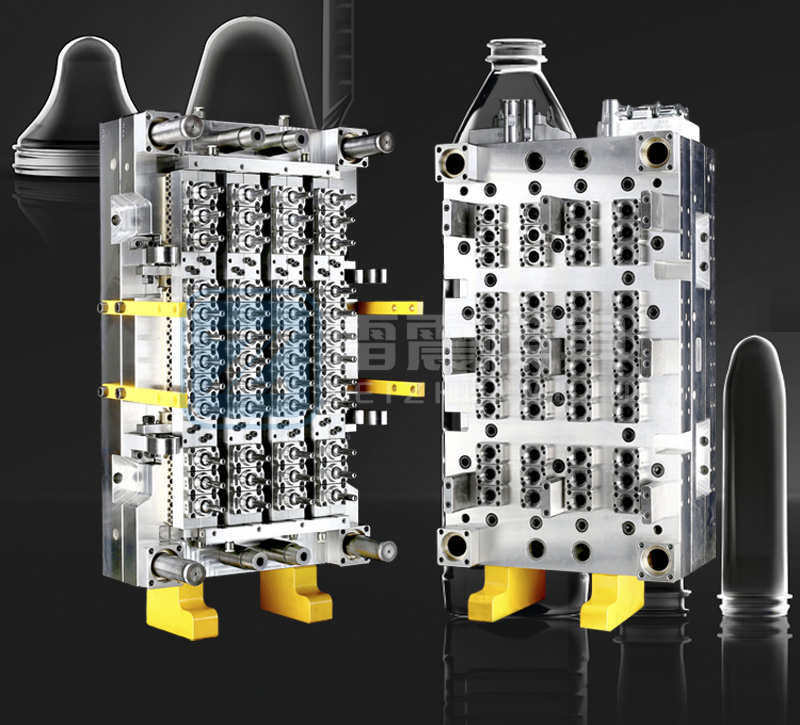
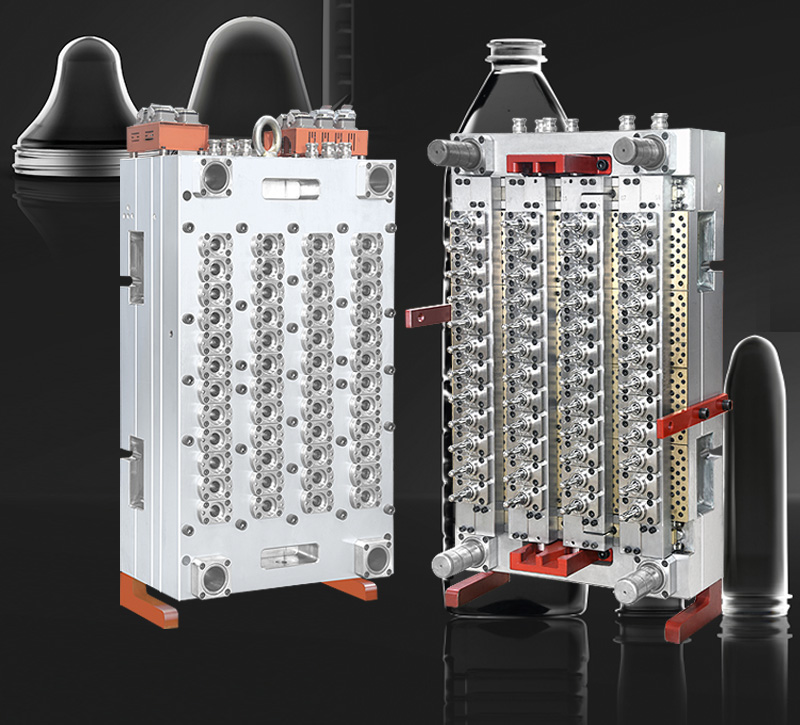
At LEIZHEN, we have dedicated ourselves to mastering the art and science of preform mold design. Through years of research, development, and real-world production experience, we have identified five core technologies that define exceptional preform molds: balanced hot runner systems, precision cooling, optimized gate design, robust construction, and reliable ejection.
This article takes you inside these five technologies and explains how LEIZHEN applies them to deliver preform molds that consistently produce high-quality preforms—shot after shot, million after million.
Technology 1: Balanced Hot Runner Systems
The first and most critical technology in any preform mold is the hot runner system. This system delivers molten PET resin from the injection unit to each cavity. In multi-cavity molds—especially those with 48, 72, or even 96 cavities—flow balance is absolutely essential.
Why Balance Matters
Without perfect flow balance, some cavities may fill faster or slower than others, leading to:
Inconsistent preform weights across cavities
Variations in wall thickness that affect blow molding performance
Residual stress that can cause preform deformation or bottle failure
Increased rejection rates and material waste
How LEIZHEN Achieves Balance
LEIZHEN hot runner systems are engineered with:
Geometrically balanced flow channels that ensure equal melt travel distance to every cavity
Individual nozzle temperature control for precise thermal management
Advanced flow simulation using CAE (computer-aided engineering) to predict and eliminate imbalances before manufacturing
Optimized melt distribution that maintains consistent viscosity and pressure across all cavities
The result is uniform preform quality from every cavity, ensuring consistent blow molding performance and minimal material waste.
Technology 2: Precision Cooling Systems
Cooling accounts for approximately 70–80% of the total injection molding cycle time. In preform mold design, cooling is not just about speed—it is about uniformity. Uneven cooling leads to:
Extended cycle times that reduce production output
Preform warpage and dimensional instability
Crystallization in the gate area (often called "gate blush" or "white haze")
Residual stress that can cause bottle failure during blow molding
How LEIZHEN Masters Cooling
LEIZHEN incorporates advanced cooling technologies to achieve optimal thermal management:
Conformal Cooling Channels: Unlike traditional straight-drilled cooling lines, our molds feature cooling channels that follow the contour of the preform cavity. This allows heat to be extracted uniformly from the preform's body, neck, and gate area.
CFD-Optimized Design: We use computational fluid dynamics (CFD) to model coolant flow, pressure drop, and heat transfer. This ensures that every cavity receives adequate cooling without hotspots or dead zones.
Strategic Cooling Zone Separation: The neck, body, and gate areas have different cooling requirements. LEIZHEN molds feature separate cooling circuits that allow independent optimization for each zone.
High-Efficiency Cooling Media: Our cooling channels are designed for optimal coolant flow rates, maximizing heat transfer efficiency.
The benefits are clear: faster cycles, lower energy consumption, and preforms with uniform crystallinity that blow into perfect bottles.
Technology 3: Optimized Gate Design
The gate is the point where molten PET enters the preform cavity. In preform molding, the gate is typically located at the center of the preform base (the injection point). Gate design directly impacts:
Preform appearance (gate blush or haze)
Structural integrity (strength at the base)
Blow molding performance (material distribution during stretching)
How LEIZHEN Optimizes Gate Design
LEIZHEN engineers gate systems with precision and care:
Valve Gate Technology: Our molds utilize valve gate hot runner systems that provide clean, controlled shut-off at the gate. This eliminates gate stringing and ensures a smooth, consistent gate mark.
Optimized Gate Diameter: The gate diameter is carefully calculated to balance fill speed (to minimize shear heating) with pressure requirements (to ensure complete filling).
Gate Cooling: Special attention is given to cooling around the gate area to prevent premature solidification that can cause gate blush or incomplete filling.
Shear Control: Gate geometry is designed to minimize shear stress on the PET material, preserving molecular weight and preventing degradation.
Proper gate design ensures that each preform has a clean, strong base that stretches uniformly during blow molding to form the bottle's bottom.
Technology 4: Robust Construction and Precision Manufacturing
Preform molds operate under extreme conditions: high injection pressures, rapid cycling, and continuous production that can run 24/7 for years. To withstand these demands, molds must be built with uncompromising durability.
How LEIZHEN Ensures Robust Construction
LEIZHEN molds are manufactured with:
Premium Tool Steel: We use high-grade steel with excellent wear resistance, corrosion resistance, and thermal conductivity. Materials such as H13, S136, and 420 stainless steel are selected based on application requirements.
Heat Treatment: All critical components undergo precise heat treatment to achieve optimal hardness and toughness, ensuring long service life.
Precision Machining: Our manufacturing facilities are equipped with high-speed CNC machining centers and EDM (electrical discharge machining) equipment capable of achieving micron-level tolerances.
Interchangeable Components: Cavities, cores, and wear parts are designed for easy replacement, minimizing downtime during maintenance.
Anti-Wear Coatings: Optional coatings such as TiN (titanium nitride) or DLC (diamond-like carbon) can be applied to critical surfaces for extended wear resistance.
The result is a mold that delivers consistent performance over millions of cycles with predictable maintenance intervals.
Technology 5: Reliable Ejection Systems
The final technology in our list is often overlooked but critically important: ejection. Even the most perfectly formed preform is worthless if it cannot be ejected cleanly and reliably from the mold. Ejection failures lead to:
Downtime from stuck preforms
Damaged molds from improper ejection
Scratched or deformed preforms that must be rejected
How LEIZHEN Ensures Reliable Ejection
LEIZHEN engineers ejection systems with precision and reliability in mind:
Optimized Ejector Sleeve Design: For preform molds, ejector sleeves are typically used to push preforms off the core. LEIZHEN designs these sleeves with precise fit and smooth surface finishes to ensure consistent, friction-free movement.
Air-Assisted Ejection: For particularly sticky or sensitive applications, we offer air-assisted ejection that uses compressed air to break the vacuum and release preforms cleanly.
Hardened Ejector Components: All ejection components are manufactured from wear-resistant steel and heat-treated to withstand millions of cycles.
Sensors and Monitoring: Optional sensors can detect ejection issues before they cause damage, allowing operators to take corrective action immediately.
Reliable ejection ensures smooth, uninterrupted production and protects both the mold and the preforms from damage.
Integrating the Five Technologies: The LEIZHEN Advantage
These five core technologies do not exist in isolation. At LEIZHEN, we integrate them into a comprehensive design and manufacturing process that ensures every mold we deliver performs at the highest level.
Our Development Process:
| Phase | Activities |
|---|---|
| Requirements Analysis | Understand customer specifications: preform weight, neck finish, cavity count, cycle time targets |
| Design & Simulation | Create 3D models, perform flow analysis, cooling simulation, and structural analysis |
| Manufacturing | Precision machining, heat treatment, surface finishing, quality inspection |
| Assembly & Testing | Assemble mold, conduct trial runs, verify preform quality and cycle time |
| Validation | Produce sample preforms for dimensional inspection and blow testing |
| Delivery & Support | Ship mold with documentation, provide ongoing technical support |
Real-World Results: What LEIZHEN Customers Experience
Manufacturers who choose LEIZHEN preform molds consistently report:
Cycle time reductions of 15–25% compared to conventional molds
Preform weight consistency within ±0.1g across all cavities
Tool life exceeding 5–10 million cycles with proper maintenance
First-pass yield consistently above 99%
Superior blow molding performance with minimal bottle defects
Conclusion: From Preform to Bottle — Excellence by Design
The journey from preform to bottle is a complex process that demands precision at every step. At LEIZHEN, we believe that exceptional preform molds are the result of mastering five core technologies: balanced hot runner systems, precision cooling, optimized gate design, robust construction, and reliable ejection.
Whether you are producing preforms for carbonated soft drinks, bottled water, edible oils, or hot-fill applications, LEIZHEN has the expertise and technology to deliver molds that perform. We invite you to experience the LEIZHEN difference—where precision engineering meets real-world manufacturing excellence.
Recent Posts